
Worried about a mole that is bothering you or might pose a health risk?
Ready to remove an inconvenient or concerning mole with expert care in London?
Moles can be removed for several reasons:
At DermConsult, our dermatologists provide personalised advice to determine if surgical mole removal is the safest and most effective option for you. We follow strict medical protocols to ensure your safety and optimal outcomes.
Our mole removal process is safe, quick, and effective:
All removed moles are sent for tissue analysis (lab analysis) if required to confirm the nature of the lesion.

DermConsult was founded to provide excellent and rapid care to patients with skin conditions, in a central location and by highly qualified dermatologists.

At DermConsult, we are always transparent about our fees and these can always be discussed upfront.
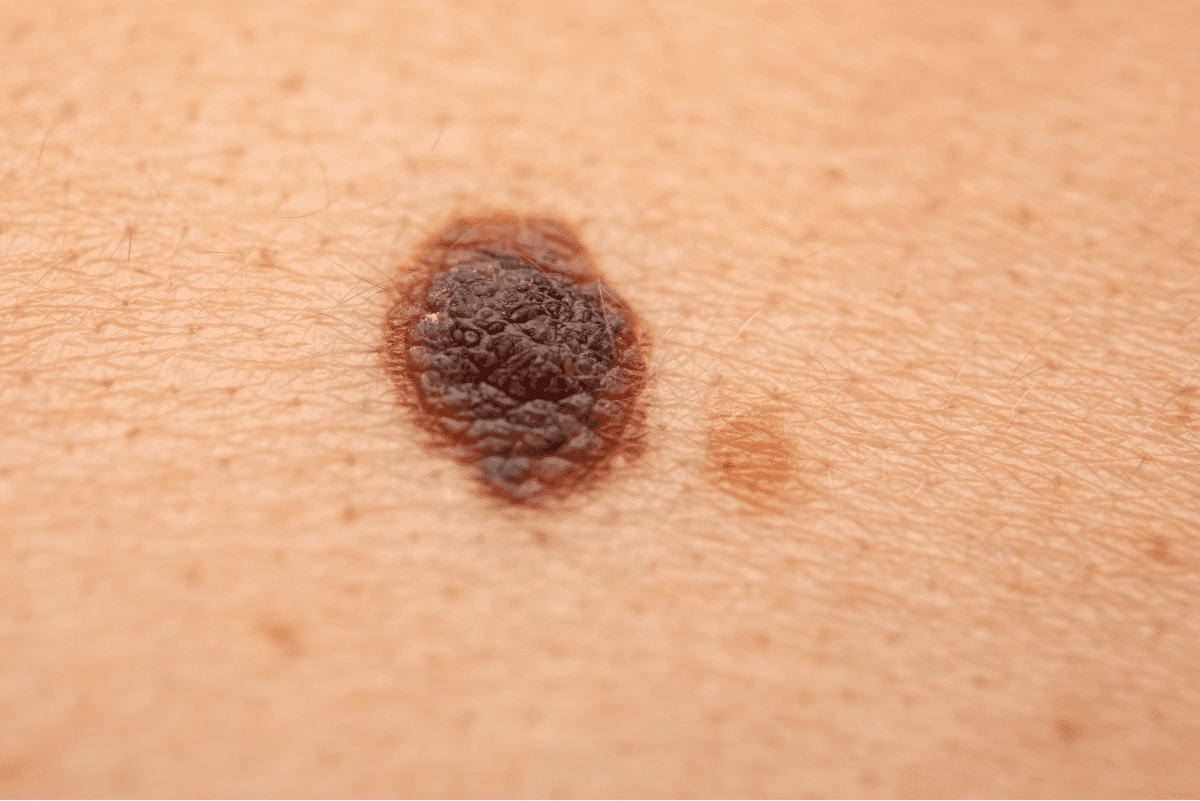
At DermConsult, we combine skin experts and cutting-edge technology to deliver:
We are based in the heart of London and can offer high quality treatment for our patients. Our trained staff will be available to take your calls between 8 am-6 pm, with voicemail available at all other times.

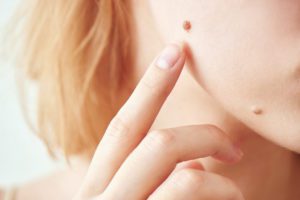
Common naevi are benign/innocent moles that appear on most people. They are usually coloured pink, tan, or brown, have a clear edge and are usually even in colour.
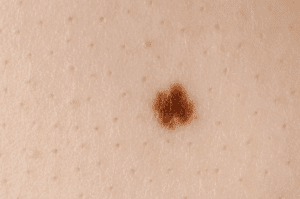
Dysplastic naevi are atypical moles. They have less regular edges and may have a mixture of different colours. Studies show that the more dysplastic naevi you have, the higher the risk of developing melanoma.
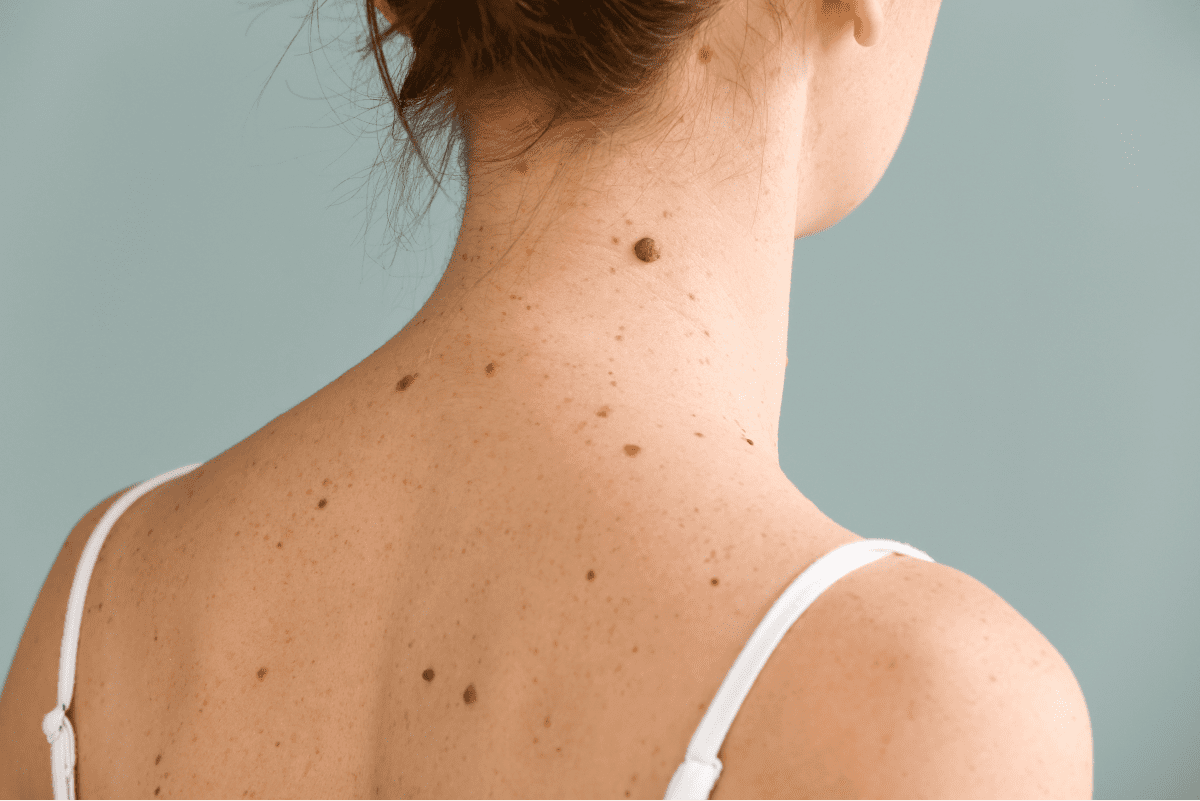
If you are not sure and are worried about your moles, the NHS recommends the ABCDE checklist; helpful in identifying any high-risk moles:
We are based in the heart of London and can offer high quality treatment for our patients. Our trained staff will be available to take your calls between 8 am-6 pm, with voicemail available at all other times.
Most mole removal procedures are quick, usually completed within 30 minutes to an hour.
While most moles can be safely removed, our dermatologists will assess your mole during the consultation to ensure it’s suitable for dermatological treatment. Risks and benefits will be discussed with you thoroughly during your consultation so you can make an informed decision.
After the procedure, the mole is sent for analysis in a laboratory if needed. You’ll receive aftercare advice to help with healing and minimise scarring. You and your GP will be informed of the results, usually within a week but longer if specialised tests are recommended by the pathologist.
Yes, a consultation is essential to assess the mole, discuss your options, and recommend the best course of action.