
> Do you have sun damaged skin that needs treating?
> Worried about potential skin cancer?
Too much exposure to UV or ultraviolet rays causes sunburn by penetrating the outer skin layers and passing to the deeper layers where they kill or damage skin cells, Too much or severe sun damage can also result in skin cancer. If you don’t have a lot of melanin, have fair skin or burn easily in the sun, then protecting yourself against sunburn is even more important.

DermConsult was founded to provide excellent and rapid care to patients with skin conditions, in a central location and by highly qualified dermatologists.

At DermConsult, we are always transparent about our fees and these can always be discussed upfront.
Too much exposure to UV or ultraviolet rays causes sunburn by penetrating the outer skin layers and passing to the deeper layers where they kill or damage skin cells, Too much or severe sun damage can also result in skin cancer. If you don’t have a lot of melanin, have fair skin or burn easily in the sun, then protecting yourself against sunburn is even more important.
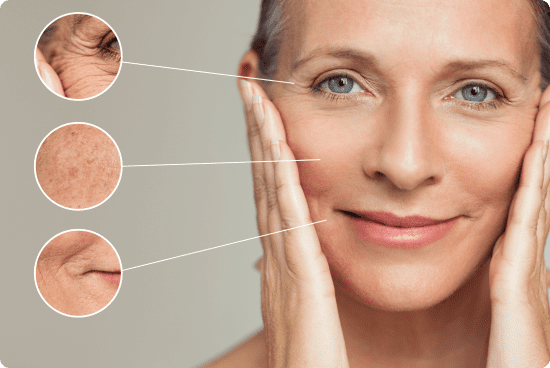

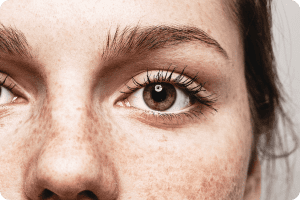
Freckles (ephilides) are most often seen in fair-skinned individuals, particularly those with red hair. They are a result of melanin (dark skin pigment) build-up within keratinocytes (skin cells).
In winter, freckles may fade as the keratinocytes are replaced by new cells. Freckles usually become less noticeable with age. They can indicate that the skin is more susceptible to sun damage. Freckles do not need to be treated.
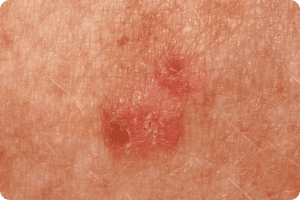
Actinic keratoses (AK) are areas of sun-damaged skin. They are scaly spots that are mostly found on the parts of the skin that are frequently exposed to the sun, such as the backs of hands, forearms, face, and ears. They are usually harmless but can be unsightly.
There is however a small risk of some AKs turning into a type of skin cancer called squamous cell carcinoma (SCC). AK more commonly occurs in individuals that are older and fair-skinned. A tendency to burn rather than tan also predisposes a person to AKs.

AK is usually diagnosed with the appearance of the lesion alone. However, AKs can look like an SCC so there may be some doubt. In this case, a biopsy (sample) or excision can be performed, which allows more exact assessment under a microscope.
AK can be prevented by strict sun protection. Once already present there are some treatment options, some most of which we offer here at DermConsult.
AKs can regress by themselves and are usually not concerning. If they are flat and not causing symptoms then observation by a dermatologist or GP may suffice.
If on the other hand, they are painful, enlarging, thickened or ulcerated then they should be treated. differently. Treatment in this scenario usually involves the removal of the defective skin cells. Options include cryotherapy (freezing the lesion off with liquid nitrogen), photodynamic treatment (shining a red light after applying a cream that allows the skin to absorb it), curettage (scraping with a sharp instrument) and excision.
Get in touch with our friendly team today to book an appointment with us. You can contact us via the phone or email:
We have 2 clinics located in London, find them below.
North London location:
Highgate Private Hospital
17-19 View Road
Highgate, London
N6 4DJ
Central London
Skin 55,
55 Harley Street,
London,
W1G 8QR
Preventing sun damage involves adopting protective measures such as wearing sunscreen with a high SPF, seeking shade during peak sun hours, wearing protective clothing, including hats and sunglasses, and avoiding tanning beds.
The time to see noticeable results from sun damage treatments can vary depending on the severity of the damage, the specific treatment used, and individual factors.
Some sun damage treatments may have temporary side effects such as redness, swelling, itching, or sensitivity to sunlight. It is essential to discuss potential side effects with your dermatologist and follow their post-treatment care instructions.
You can protect your skin by following sun safety measures, such as applying broad-spectrum sunscreen with a high SPF, wearing protective clothing, seeking shade, and using sunglasses and hats. It is also essential to reapply sunscreen regularly, especially after swimming or sweating.