BOOK AN APPOINTMENT
info@dermconsult.co.uk
or call 020 3283 7737

Full Body Mole Mapping from DermConsult

Have all of the moles on your body quickly, painlessly and accurately examined for peace of mind with our mole mapping services.

A full body mole check can spot skin cancer at its earliest stage.

What is mole mapping?

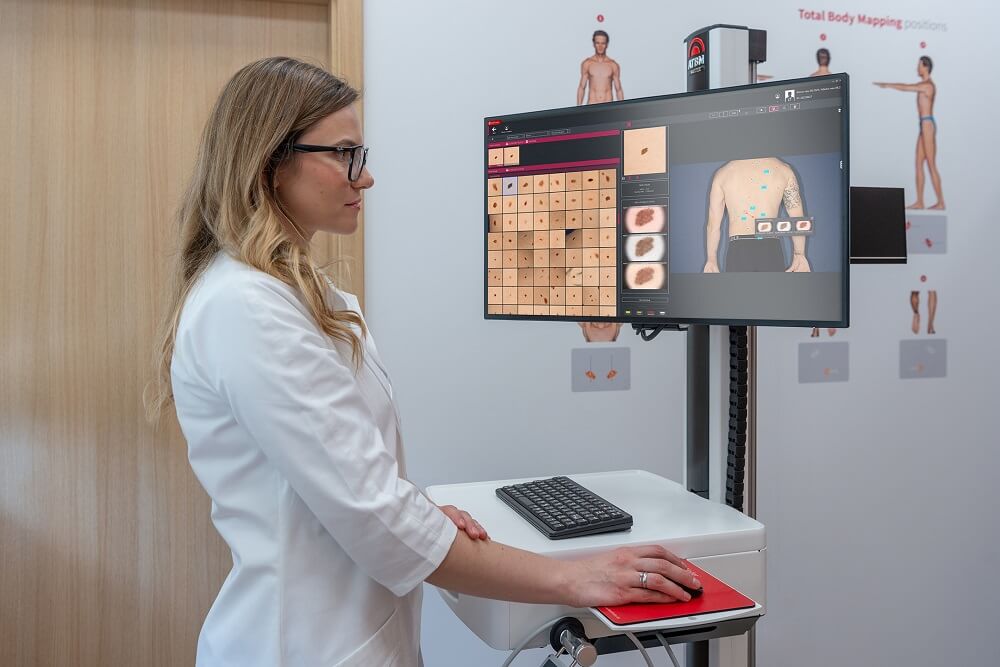
Mole mapping is a non-invasive procedure that utilises specialist imaging technology to take up close, highly detailed images of your skin. Our dermatologists will then closely examine each mole to see how they look — and if they can potentially become cancerous or not.

Do I need full body mole mapping?

We recommend mole mapping if you are at an increased risk of developing skin cancer. Risk factors include:

  • You have already had skin cancer 
  • A family history of skin cancer
  • A large number of moles or extensive sun damage 
  • You already have unusual, or mixed colour moles
  • You have spent a lot of time in the sun in your life
  • A weakened immune system

Book a Consultation

Camera icon in purple and pink colors.

ABOUT

OUR PRIVATE DERMATOLOGY PRACTICE

Dermconsult was founded to provide excellent and rapid care to patients with skin conditions, in a central location and by highly qualified dermatologists.

Price tag with pound symbol illustration.

OUR FEES

Initial Skin Review – including mole mapping of the entire body with Fotofinder*
£390

*£300 for annual checks thereafter

Types of skin cancer

Pink horizontal line on a green background.
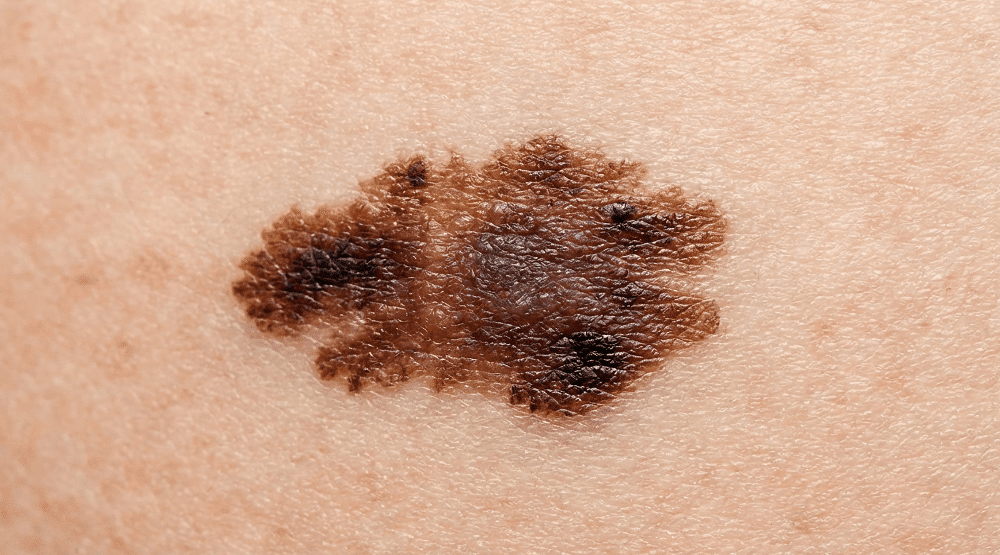
Irregularly shaped dark mole on skin.

Melanoma

Mole mapping tracks changes in your moles over time, looking for signs associated with melanoma including moles that have changed size, shape or colour. New moles may also appear on the skin and display unusual symptoms such as itchiness, or bleeding.

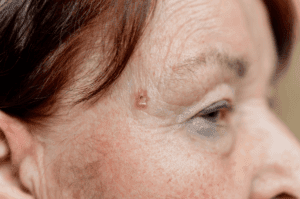
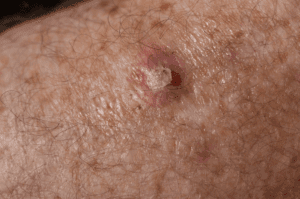
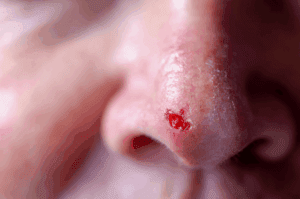
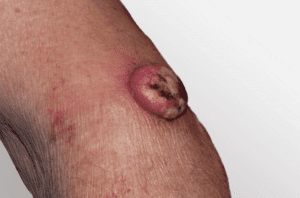
Non-Melanoma

Although the purpose of mole mapping is to focus on moles and how they develop, the high-resolution images will also allow our dermatologists to look out for non-melanoma skin cancers and growths.
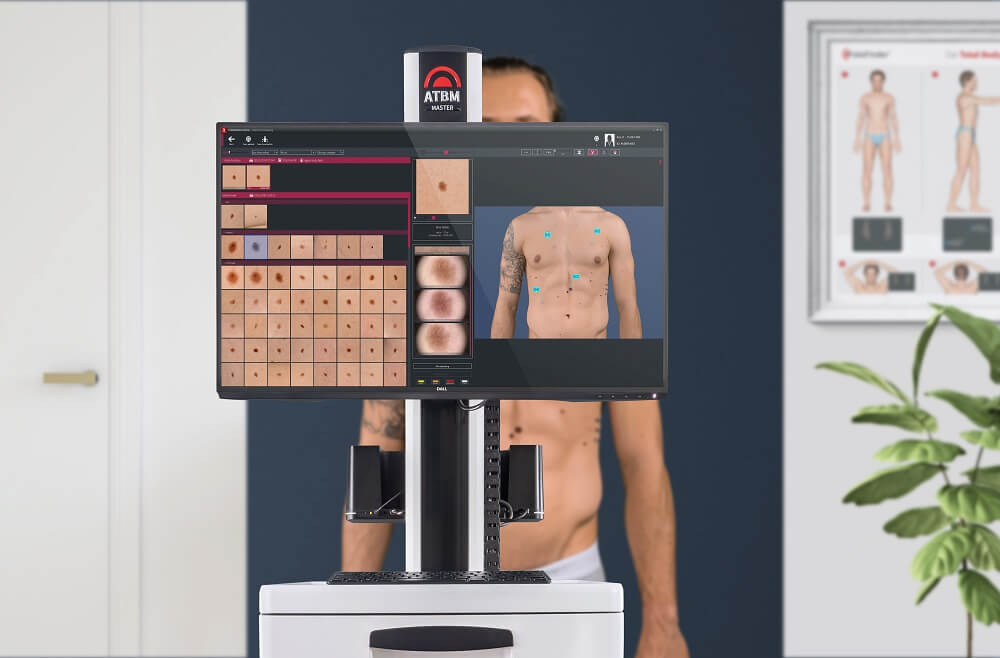
Doctor analyzing skin images on computer screen.
Medical imaging screen showing skin analysis.
Doctor examining patient with medical device.
Medical scan of a man in clinic.

Early Skin Cancer Detection Saves Lives.

Mole mapping can help to ease your mind if you are worried about skin cancer. With our convenient service right in the heart of London, you won’t have to worry about potentially long GP referrals. You will be in the hands of fully qualified dermatologists with the knowledge to spot potential skin problems early on.

What to expect from a full body mole mapping at DermConsult.

Our mole mapping consultations are straightforward, and painless. Here’s what to expect:

  • First, you will have a consultation with one of our specialists to discuss your concerns
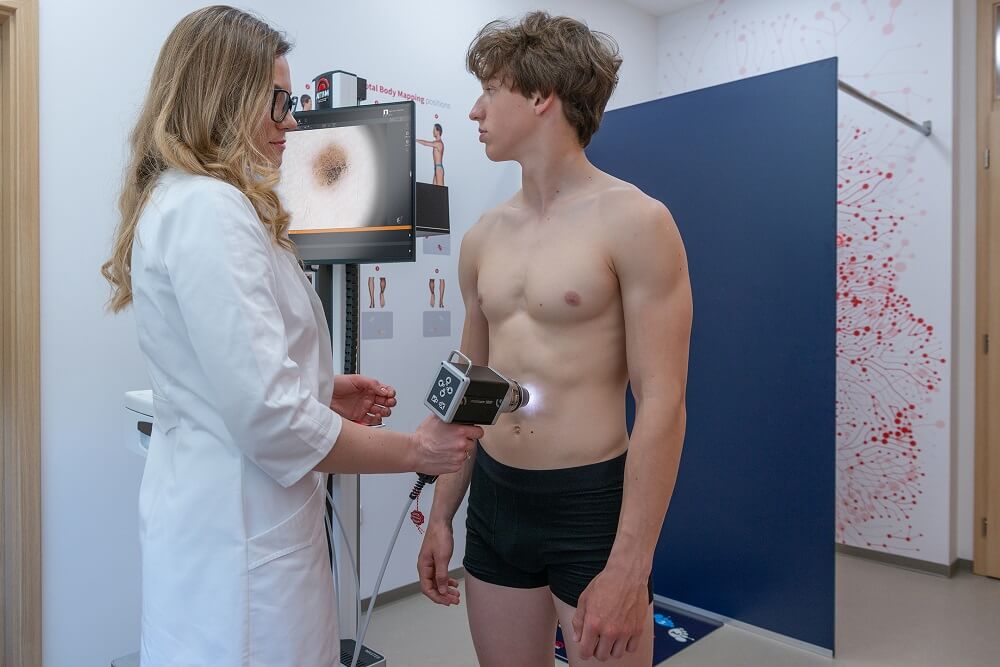
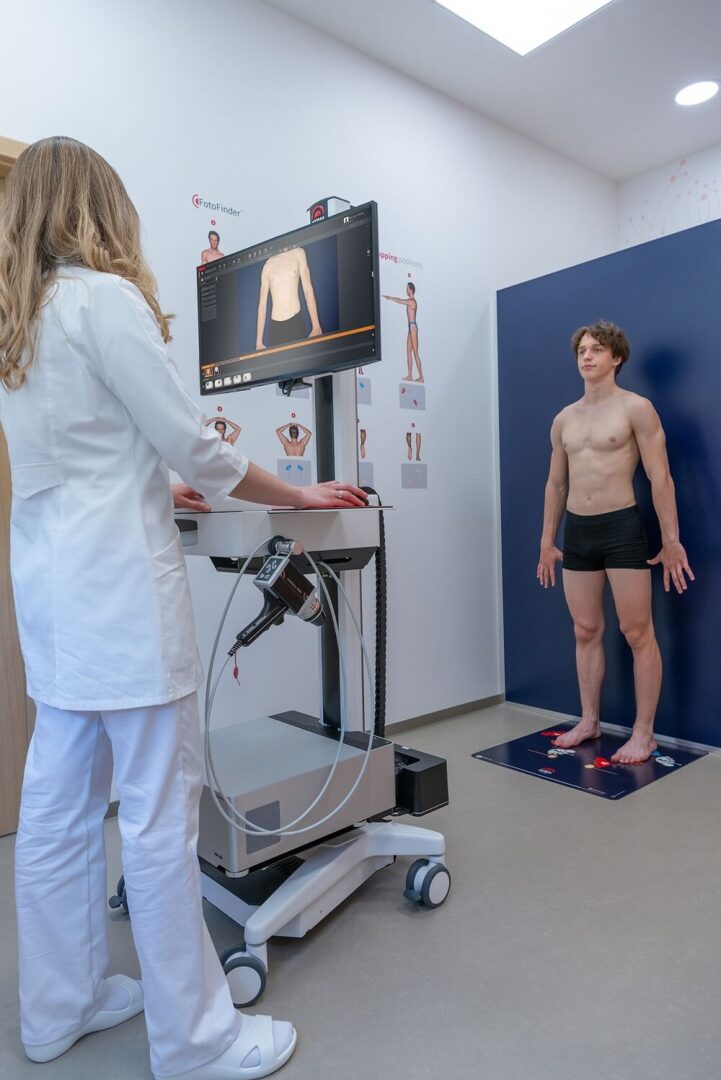
  • Then our dermatologist will use a mole mapping machine to photograph and map all of your moles. 
  • You will also have a manual full body check using a dermatoscope. 
  • Your dermatologist will give advice and answer any questions that you might have. If any moles or lesions require biopsy, your dermatologist will arrange this
  • And that’s it! We recommend that you revisit every 12 months so that we can regularly keep an eye on your moles and general skin health.

Book a Consultation

Trusted Dermatology for Your Skin Conditions

Get in touch with our friendly team today to book an appointment with us. You can contact us via the phone or email:

Frequently Asked Questions

We suggest scheduling mole mapping every 6 months. Regular monitoring helps track any changes in your moles or skin over time, which is crucial for early detection.

Mole mapping primarily focuses on identifying changes in moles that may indicate melanoma. However, the high-resolution imaging also helps dermatologists spot signs of non-melanoma skin cancer, such as unusual skin patches or growths.

A typical mole mapping consultation is quick and straightforward, usually lasting less than an hour.

If a mole is identified as potentially problematic, our dermatologist will provide guidance on the next steps, which may include further testing, monitoring, or treatment.