A blue banner with the words " best private dental clinic london-dr. Mark."
BOOK AN APPOINTMENT
info@dermconsult.co.uk
or call 020 3283 7737

MOLE Removal TREATMENT FROM DERMCONSULT

Worried about a mole that’s bothering you or might pose a health risk?

Ready to remove an inconvenient or concerning mole with expert care in London?

Book A Consultation

LEARN MORE ABOUT MOLES

Why Remove a Mole?

Moles can be removed for several reasons:

  • Suspicious changes that may indicate skin cancer
  • Discomfort or irritation from moles in high-friction areas
  • Cosmetic concerns affecting confidence or appearance

At DermConsult, our dermatologists provide personalised advice to determine if surgical mole removal is the safest and most effective option for you. We follow strict medical protocols to ensure your safety and optimal outcomes.

What Happens During Mole Removal?

Our mole removal process is safe, quick, and effective:

  1. Consultation & Assessment – We perform a thorough mole check and review your skin history to assess for atypical and suspicious moles or pigmented lesions. 
  2. Treatment Options – Your mole may be removed using:
    • Shave removal or shave excision surgery
    • Full surgical excision or ellipse excision surgery with a margin of healthy skin if required.
  3. Local Anaesthetic – All procedures are performed under local anaesthetic in a sterile environment to ensure comfort and safety. 
  4. Aftercare & Healing – We provide guidance on wound care, both verbally and in writing. Our nurses are available to remove your stitches if you have had any and provide further wound care advice and review.

All removed moles are sent for tissue analysis or lab analysis if required to confirm the nature of the lesion.
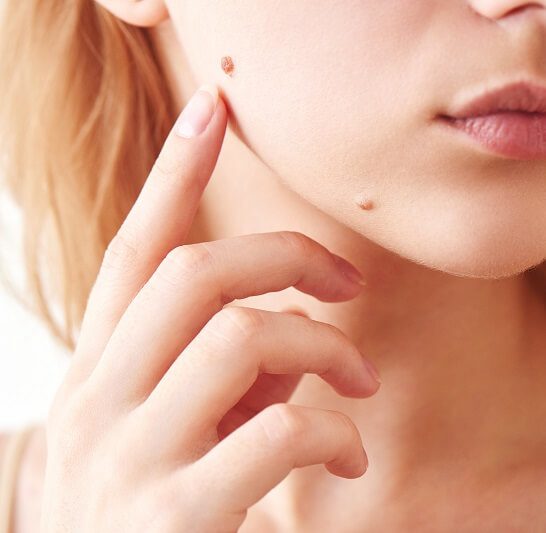
A woman with her hand on her face and one of the two dots in her ear.
Trust DermConsult for Expert Care

At DermConsult, we combine skin experts and cutting-edge technology to deliver:

  • Bespoke mole removal treatments tailored to your needs
  • Additional services like digital mole mapping for early detection of pigmented and other lesions
  • Access to plastic surgeons for advanced reconstructive procedures
  • A professional, patient-focused environment with patient care at the forefront

Hear From Our Satisfied Clients

Expertise
Before & After Treatment

View images of before and after treatment of multiple skin growths, benign lesions, and moles treated at Derm Consult.

Our Fees
We’re Always Transparent About Cost

View our pricing for mole removal, including laser treatment, surgical removal, and shave excision.

Book your skin surgery consultation with DermConsult today.

We are based in the heart of London and can offer high quality treatment for our patients. Our trained staff will be available to take your calls between 8 am-6 pm, with voicemail available at all other times.

Common Naevi

Common Naevi (or benign nevi) are common skin lesions that appear on most people. They are usually coloured pink, tan, or brown, have a clear edge and are usually even in colour.

Dysplastic naevi

Dysplastic naevi are atypical moles. They have less regular edges and may have a mixture of different colours. Studies show that the more dysplastic naevi you have, the higher the risk of developing melanoma.

What to look out for - the ABCDE full body mole check

If you are not sure if you should be worried, the NHS recommends the ABCDE checklist, helpful in identifying any high-risk moles:

  • Asymmetrical: Does the mole have an irregular shape without two matching halves?
  • Border: Does the mole have a jagged, uneven border?
  • Colours: Does the mole have a mix of more than two colours?
  • Diameter: Is the mole larger than 6mm in diameter?
  • Evolution: Has your mole changed in size and shape over time?

Frequently Asked Questions

Most mole removal procedures are quick, usually completed within 30 minutes to an hour.

While most moles can be safely removed, our dermatologists will assess your mole during the consultation to ensure it’s suitable for dermatological treatment.

After the procedure, the mole is sent for analysis in a laboratory if needed. You’ll receive aftercare advice to help with healing and minimise scarring. You and your GP will be informed of the results, usually within a week.

Yes, a consultation is essential to assess the mole, discuss your options, and recommend the best course of action.